
Alternatives to Standard IV Hydration Ingredients

Last Updated: October 23, 2026
Quick Summary
Alternatives to standard IV hydration ingredients include oral rehydration solutions, electrolyte powders and drink mixes, ready-to-drink beverages, and oral vitamin supplements that deliver sodium, potassium, glucose, and other nutrients without requiring IV administration. These oral options work effectively for mild to moderate dehydration when a person can drink and keep fluids down, absorbing within 30-60 minutes compared to IV delivery in 10-20 minutes.
Standard IV hydration uses a carrier fluid like normal saline or lactated Ringer's solution plus electrolytes like sodium, potassium, and calcium.
Oral rehydration solutions work through a sodium-glucose cotransporter in the small intestine and should target roughly 75 mEq/L sodium and 75 mmol/L glucose for optimal absorption.
Popular oral alternatives include LMNT and BCN Hydrate powders, DripDrop sticks, Electrolyte FastChews, and ready-to-drink options like Gatorade Zero.
High-sodium, potassium, and magnesium products require caution for people with hypertension, kidney disease, or taking certain medications like ACE inhibitors.
IV fluids remain the standard of care for severe dehydration, persistent vomiting, altered mental status, or inability to keep fluids down.
Table of Contents
What IV Hydration Is and Why People Seek Alternatives
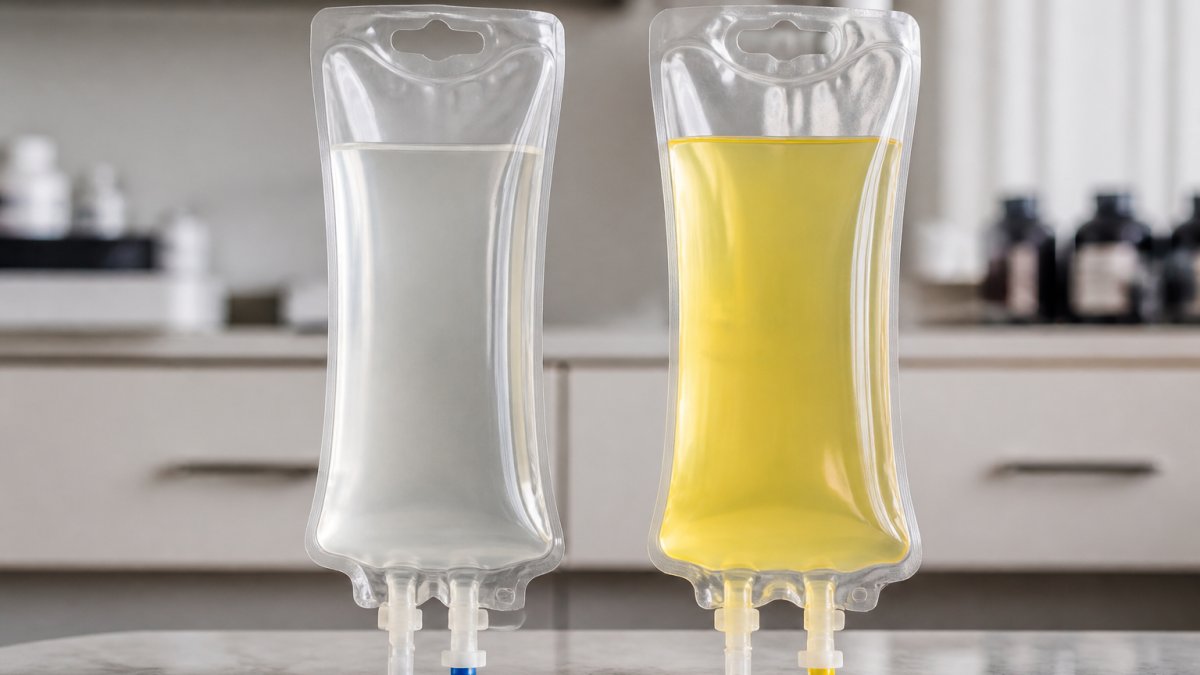
Intravenous hydration delivers fluids and nutrients directly into the bloodstream, bypassing digestion. For athletes, recovering patients, or severe dehydration, IV therapy restores fluid balance in minutes rather than hours.
But IV hydration isn't always necessary, accessible, or practical.
This guide covers what's in traditional IV hydration, how oral options compare, and how to choose.
Common IV Hydration Ingredients Explained
Standard IV hydration relies on a few core components: a carrier fluid, electrolytes, and sometimes vitamins or minerals. Understanding each helps you evaluate whether alternatives deliver the same results.
Carrier Fluids: Saline vs Lactated Ringer's
The carrier fluid carries everything else into your bloodstream.
Normal saline is 0.9% sodium chloride in sterile water.
Lactated Ringer's solution adds potassium, calcium, and lactate to sodium chloride, more closely mirroring your body's electrolyte balance.
Saline is simpler and faster for acute dehydration; lactated Ringer's offers a more complete electrolyte profile.
Electrolytes and Their Roles
Electrolytes are charged minerals that regulate fluid balance, nerve function, and muscle contractions. IV solutions include:
Sodium maintains fluid balance and supports nerve signaling
Potassium regulates heart rhythm and muscle function
Chloride works with sodium to maintain blood pH and fluid balance
Heavy sweating, intense exercise, or illness depletes electrolytes along with fluid; replacing both makes rehydration effective. Many oral products focus on sodium and potassium because they're lost in the highest quantities.
Vitamins and Minerals in IV Therapy
Some IV formulas add vitamins and minerals beyond the carrier fluid and electrolytes:
Vitamin C for immune support and antioxidant protection
B vitamins for energy metabolism and nervous system function
Zinc for immune function and wound healing
These additions don't hydrate you; they're supplementary nutrients. Whether you need them depends on your goals and nutrient status, and this is where alternatives diverge most from standard IV hydration.
Oral Rehydration Solution vs IV Fluids: When Each Works Best
Oral rehydration solution (ORS) is not just "electrolytes in water." It's built around a specific transport mechanism in the small intestine, and the ingredient ratio matters as much as their presence.
The mechanism that makes ORS work
Glucose and sodium are absorbed together across the intestinal wall via a sodium-glucose cotransporter; in the right proportion, water follows osmotically. That's why an ORS with the wrong sugar-to-salt ratio can underperform plain water. The World Health Organization's reduced-osmolarity ORS targets roughly 75 mEq/L sodium and 75 mmol/L glucose (about 13.5 g/L), with potassium around 20 mEq/L and citrate around 10 mmol/L, for a total osmolarity near 245 mOsm/L, the benchmark for commercial products.
How commercial products compare to clinical ORS
Most sports drinks and electrolyte powders are not ORS; they're formulated for palatability and sweat replacement, often with more sugar, less sodium, or both. A typical sports drink sits near 20-25 mEq/L sodium, well below the ORS target, while some low-sugar powders push sodium to 60-100 mEq/L but add little or no glucose.
When oral rehydration is enough
Oral rehydration is generally sufficient when a person:
Is thirsty and able to drink without vomiting
Can keep fluids down for 30-60 minutes
Has mild to moderate dehydration signs, dry mouth, dark urine, fatigue, mild dizziness on standing
Oral intake then restores fluid balance in roughly 30-60 minutes, slower than IV delivery (often cited at 10-20 minutes for a bolus) but without a needle, clinic visit, or administration costs.
When IV fluids are the appropriate choice
IV fluids are the standard of care when oral intake cannot meet the body's needs. Triggers include:
Persistent vomiting or inability to keep fluids down
Severe dehydration with altered mental status, very low urine output, or rapid heart rate
Significant blood loss or a need for rapid blood-volume restoration
Watch Out If someone is confused, difficult to rouse, has not urinated in many hours, or cannot keep any fluid down, that is a medical assessment situation, not a DIY hydration problem. Oral products are not a substitute for emergency care.
The practical decision rule
The simplest rule: if the person can drink and keep fluids down, oral rehydration handles mild to moderate losses. If not, or if symptoms suggest severe dehydration, IV fluids or professional evaluation is the right path. That boundary, not brand preference, should drive the choice.
IV Vitamin Therapy Ingredients and Oral Supplement Equivalents
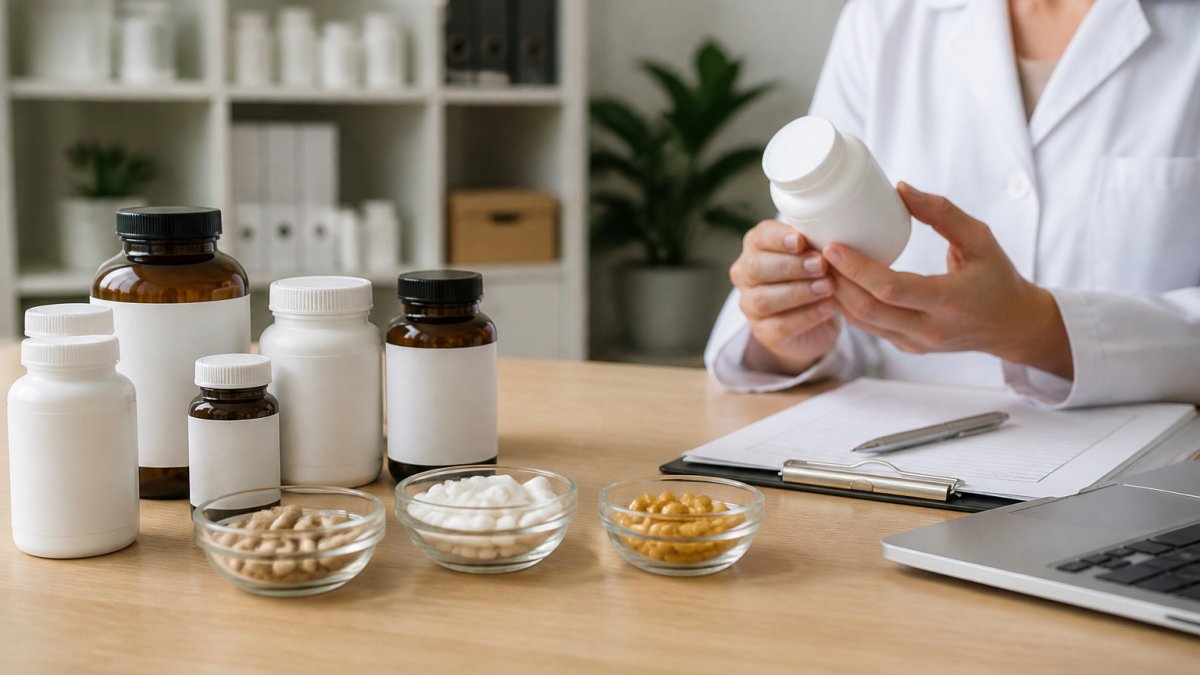
"Vitamin IV therapy" has become popular in wellness clinics, typically containing high doses of vitamin C, B vitamins, magnesium, and sometimes amino acids. Oral equivalents exist for virtually every ingredient, high-dose vitamin C, B-complex, magnesium glycinate, and amino acid supplements deliver the same nutrients, absorbing in hours instead of minutes but still efficiently for most people.
InfuZen Supplements, Inc. emphasizes science-backed formulations with high-quality ingredients. Our amino acid combinations support recovery and cellular function. For most wellness goals, oral delivery is practical, effective, and accessible.
Top Oral Hydration and Electrolyte Alternatives
Several categories of oral alternatives exist, each serving different needs and preferences.

Electrolyte Drink Mixes and Powders
Electrolyte powders mix into water and offer the most direct alternative to IV rehydration, delivering sodium, potassium, and often carbohydrates in drinkable form. Taurine is an amino acid that supports hydration and cellular function for those seeking electrolyte and cellular support alternatives.
LMNT targets heavy sweating and low-carb needs, intense exercise or hot conditions, with rapid electrolyte replacement and no added sugar.
BCN Hydrate targets long, sweaty shifts: construction workers, outdoor laborers, athletes.
Hydration Multiplier (from Liquid IV) is one of the most widely recognized electrolyte powders, mixing into water for convenient rehydration anywhere.
Hydration Sport Drink Mix from Nuun Life is another powder formulated for athletic and active use. (Source: National Institutes of Health (NIH) Office of Dietary Supplements)
Portable and Chewable Options
Electrolyte FastChews from Scratch Labs are chewable, no water, no mixing, ideal for athletes mid-activity.
Day One ElectroGummies offer a gummy alternative to powders and capsules for people who dislike electrolyte drink taste or prefer a familiar supplement format.
Electrolyte Drops add to any beverage you're already drinking, letting you customize hydration without dedicated products.
Ready-to-Drink Solutions
DripDrop comes in stick form and ready-to-drink bottles. The stick format (around $1.10 per stick, lower on subscription) is extremely portable, the closest oral equivalent to grab-and-go IV hydration.
Gatorade Zero is a lower-cost, widely available zero-sugar sports drink. Not medical-grade, but it delivers sodium and potassium in a familiar, accessible format.
These range from clinical-grade formulations to mainstream sports drinks; your choice depends on budget, activity level, and how quickly you need results. You can explore InfuZen's full product catalog to discover available electrolyte and supplement options.
Several oral hydration products offer different formats and price points to suit various needs and preferences.
Product | Format | Best For | Price Per Serving |
LMNT | Powder | Heavy sweating, low-carb needs | Not specified |
BCN Hydrate | Powder | Long sweaty shifts, outdoor work | $0.85-$1.00 |
Hydration Multiplier | Powder | Convenient rehydration anywhere | Not specified |
Hydration Sport Drink Mix | Powder | Athletic and active use | Not specified |
Electrolyte FastChews | Chewable | Athletes mid-activity | Not specified |
Day One ElectroGummies | Gummy | Alternative to powders and capsules | Not specified |
DripDrop | Stick or ready-to-drink | Portable, grab-and-go hydration | $1.10 per stick |
Gatorade Zero | Ready-to-drink | Widely available, zero-sugar option | Not specified |
IV Hydration Safety and What You Need to Know
Safety is where ingredient-level detail matters most, and risks differ by ingredient, route, and health status.
IV-specific risks
IV therapy bypasses normal absorption controls, so errors are less forgiving. Documented complications include:
Infiltration and extravasation, fluid leaking into surrounding tissue instead of the vein, which can cause swelling and, with certain solutions, tissue damage
Phlebitis, vein inflammation from the catheter or the solution
Infection, bloodstream infection risk any time the skin barrier is breached
That's why IV hydration belongs with trained professionals, with formulas matched to the patient's labs and history rather than a one-size-fits-all bag.
Ingredient-by-ingredient safety for oral alternatives
Sodium. The biggest consideration for high-sodium products. The Dietary Guidelines for Americans recommend under 2,300 mg per day for most adults, and one high-sodium serving can account for a meaningful share (Publication : USDA ARS).
Potassium. Generally safe from food and typical drinks, but a concern with kidney disease or certain medications.
Magnesium. Supplemental magnesium can cause loose stools and GI discomfort, especially oxide and citrate forms.
Zinc. The upper limit for adults is 40 mg per day; chronic excess can interfere with copper absorption.
Added sugars and sugar alcohols. Many products use glucose, sucrose, or sugar alcohols for taste and absorption.
Key Takeaway Before adding any electrolyte or vitamin product, check three things: the sodium and potassium amounts per serving, whether you take medications that affect those minerals, and whether you have kidney or heart conditions. If any of those apply, a clinician conversation comes first.
Regulatory status and quality
Oral hydration products are regulated as foods or dietary supplements, not drugs, so pre-market scrutiny is lighter. That places more weight on third-party testing and transparent labeling: look for exact amounts per serving and independent testing seals. "Proprietary blend" labels that hide individual doses make safety assessment and clinical comparison impossible.
The bottom line on safety
IV hydration carries real procedural and electrolyte risks and belongs in clinical hands. Oral alternatives remove procedural risks and are self-limiting for most healthy people, but aren't universally appropriate, sodium, potassium, magnesium, and high-dose vitamins each have populations who should avoid or limit them. Matching the product to the person is the safety principle that matters most.
Choosing the Right Alternative for Your Needs
Selecting between IV hydration and its alternatives comes down to your situation.
Choose powders and drink mixes if: You want maximum control, mixing flexibility, or regular hydration (athletes, outdoor workers).
Choose ready-to-drink or chewable formats if: Convenience and zero preparation time are your priority.
Most people don't need IV hydration for everyday wellness.
Choosing between IV hydration and oral alternatives doesn't require sacrificing results.
Frequently Asked Questions
What is the best alternative to IV fluids?
The best alternative depends on your hydration needs and situation. For mild to moderate dehydration, oral rehydration solutions containing sodium, potassium, and glucose work well and are absorbed effectively by the digestive system. Electrolyte drink mixes, sports drinks, and oral rehydration formulas can maintain fluid balance for most active individuals. For severe dehydration, electrolyte imbalances, or medical conditions affecting absorption, IV fluids remain necessary. Consult a healthcare provider to determine what's appropriate for your specific circumstances.
How do oral rehydration solution vs IV fluids compare in effectiveness?
Oral rehydration solutions work through the small intestine's sodium-glucose cotransport mechanism, making them effective for most dehydration cases when the digestive system functions normally. IV fluids bypass the digestive system entirely, delivering fluids and electrolytes directly into the bloodstream, which is faster and necessary when someone cannot drink, has severe vomiting or diarrhea, or requires immediate rehydration. For routine hydration after exercise or mild dehydration, oral solutions are equally effective and more convenient. Medical situations determine which approach is appropriate.
What ingredients should I look for in an IV hydration alternative?
Look for sodium and potassium in meaningful amounts, as these electrolytes regulate fluid balance and muscle function. Glucose or carbohydrates enhance sodium absorption in the intestines. Quality alternatives include B vitamins for energy metabolism, magnesium for muscle recovery, and calcium for cellular function. Zinc and vitamin C support immune function, while amino acids aid muscle repair and recovery. Check ingredient labels for transparent amounts rather than proprietary blends, and prioritize products third-party tested for purity and potency. InfuZen Supplements offers science-backed formulations with clearly listed ingredients.
Is IV hydration always safer than oral alternatives?
IV hydration carries specific risks including infection at the insertion site, vein irritation, air bubbles, and electrolyte imbalances if formulas are incorrect. Oral rehydration is generally safer for mild to moderate dehydration because the body naturally regulates absorption through the digestive system. However, IV hydration is medically necessary in specific situations like severe dehydration, inability to drink, or conditions preventing normal absorption. The safest approach depends on your medical situation. Always consult a healthcare provider about IV hydration safety, potential interactions with medications, and whether oral alternatives are appropriate for your needs.
Can I make an effective hydration solution at home?
Yes, a basic oral rehydration solution can be made by mixing 6 teaspoons sugar and 1/2 teaspoon salt in 1 liter of water. This mimics the sodium-glucose ratio that supports intestinal absorption. However, homemade solutions lack precise electrolyte ratios, lack quality control, and don't include beneficial vitamins or minerals found in professionally formulated products. For consistent results and evidence-based ingredient ratios, commercial oral rehydration solutions and electrolyte supplements are more reliable. Formulations like those from InfuZen provide tested ingredients and standardized formulas designed for absorption and recovery.

Comments